Texas Holdem Poker: Rules, Strategy and Table Tips

Texas Holdem is the poker format that everything else is measured against: two private cards each, five shared community cards, and four rounds of betting to work out who has the best five card hand. It is easy to learn in an evening and hard to play well for years. This guide covers the mechanics, a solid base strategy and the table habits that separate steady players from expensive ones.
How Texas Holdem Poker Works
Each player is dealt two private cards, called hole cards. Five community cards are then revealed in stages, and every player builds their best five card hand from any combination of the seven available.
- Preflop begins after the blinds are posted and the hole cards are dealt. Betting starts to the left of the big blind.
- The flop reveals three community cards at once, followed by a betting round.
- The turn adds a fourth card and another round of betting.
- The river adds the fifth and final card, then the last betting round.
- Showdown compares the remaining hands, and the best five card combination takes the pot.
You can also win without a showdown if every other player folds, which is a large part of why betting patterns matter as much as cards. Hand rankings run from high card up through pairs, two pair, trips, straight, flush, full house, quads and straight flush.
Core Texas Holdem Strategy
Most losing players lose for the same two reasons: they play too many hands, and they play them passively. A tight aggressive approach fixes both.
Play fewer hands, but play them hard
Be selective before the flop, then bet and raise with the hands you do enter rather than calling along. Calling wins pots only at showdown; betting wins them at showdown and when everyone folds.
Let position decide your range
Acting last in a betting round means you see what everyone else does first. That information is worth real money, so open a wider range of hands from late position and a much tighter one from early position, where several players still act behind you.
Learn pot odds and outs
When deciding whether to chase a draw, compare the cost of the call to the size of the pot and the number of cards that complete your hand. If the pot offers better odds than your chance of improving, the call is profitable over time even when this particular hand misses.
Stay unpredictable
If you only bet strong hands, observant opponents stop paying you off. Occasional bluffs and slow plays keep your range wide enough that your strong hands still get called. Our Texas Holdem strategy guide goes further into hand ranges and bet sizing.
Tips for Online Tables
Online play differs from a live table in ways that change what works.
- Use the note taking tools. Most clients let you tag opponents. Recording that a player defends blinds too widely or never folds to a river bet is information that persists across sessions.
- Watch the pace. Online tables deal far more hands per hour than live games, which compresses variance and punishes loose play faster.
- Start at lower stakes. Move up only when your bankroll comfortably covers many buy ins at the new level, not after one good session.
- Avoid playing too many tables early. Adding tables multiplies decisions and usually degrades the quality of each one.
- Manage the bankroll separately. Keep a dedicated poker balance and never sit down with money you cannot afford to lose.
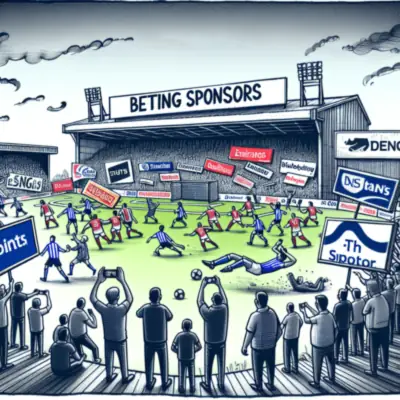
Live dealer and crypto funded tables have widened access to the game, and its cultural reach now extends well past the felt, as our look at poker and football sponsorships shows.
Tournaments, Cash Games and Bonuses
Cash games and tournaments reward different skills. In a cash game your chips are always worth their face value and you can leave at any point, which makes patient, disciplined play straightforward. In a tournament, blinds rise on a schedule, stack sizes relative to the blinds drive every decision, and survival has value in itself. A player who is strong at one is not automatically strong at the other.
Poker promotions usually take the form of deposit matches released in increments as you generate rake, free entry tournaments for new accounts, or loyalty schemes paying back a share of the rake you contribute. The rake based ones are worth understanding, because an offer that releases slowly may expire before a casual player clears it. Read the release conditions and the expiry date, not just the headline amount.
Whatever format you choose, decide a session length and a loss limit before you sit down. Poker involves skill, but no amount of skill removes variance, and playing tired or on tilt costs more than any strategy leak. Play responsibly and only as an adult form of entertainment.
Frequently asked questions
How many cards make up a hand in Texas Holdem?
Five. You build the best possible five card hand using any combination of your two hole cards and the five shared community cards, including playing the board alone if it is your best option.
What does tight aggressive mean?
It means entering fewer pots than average but betting and raising rather than calling when you do play. The approach avoids marginal spots and puts pressure on opponents in the hands you choose.
Why is position so important in poker?
Acting later in a betting round means you see what your opponents do before you decide. That extra information lets you play a wider range of hands profitably from late position.
Are online poker bonuses worth claiming?
It depends on the release conditions. Many poker bonuses unlock in stages as you generate rake, so a casual player may not clear the full amount before it expires. Check the timeline before depositing for an offer.
Ready to play? Every game covered here is live at game.ubet.fun — or browse more Texas Holdem Poker guides first.
Play now at game.ubet.fun